All Categories
Featured
Securing Your Business and Group Benefit Solutions
Table of Contents
You're not alonewe hear these concerns all the time from company owner trying to do right by their groups. Here are some clear, straightforward answers to the most typical questions we get. Just a heads-up: employment and insurance coverage laws can get made complex and change depending upon where you are. It's always a smart relocate to chat with a certified advantages professional or legal specialist to get guidance that's right for your particular service and place.
This opens up conventional advantages for even the tiniest of companies. However there's a catch: insurance companies have. For circumstances, a carrier may state that at least of your eligible staff members who aren't waiving protection for another factor (like being on a partner's plan) need to enlist. These rules can differ in between insurance provider and from state to state, so it's a crucial detail to lock down early.
Federal law allows you to create various "classes" of staff members, as long as they're based on legitimate, non-discriminatory job-based criteria. A few examples of acceptable classes include: Full-time vs. part-time employees Salaried vs. hourly workers Workers operating in different geographic places You absolutely can not develop these groups based upon things like an employee's age, gender, or health condition.
Getting expert assistance here is non-negotiable. This is a bigand completely validconcern for lots of owners. The brief response? No, not at all. The co-employment relationship you form with an Expert Employer Organization (PEO) is purely for administrative and compliance purposes. You, the organization owner, remain securely in the driver's seat.
Enhancing Worker Wellbeing and Better Wellness Benefits
You set the business's vision, handle the everyday work, make every hiring and shooting choice, and form the distinct culture that makes your service what it is. The PEO simply works quietly in the background, handling the complex HR things like payroll, advantages administration, and compliance. Think of them as your silent partner, freeing you as much as concentrate on leading your group and growing the service.
Learn how a PEO collaboration can conserve you time and money.
Most small companies are familiar with the group health insurance market. Group strategies provide medical advantages that are limited to qualified workers and their dependents. Regulations and benefit requirements vary for a group health plan depending upon whether the number of total staff members certifies as a "small group" or a "big group." Small group health strategies operate under the requirements of the Affordable Care Act, which consist of 10 categories of mandated benefits.
Improving Worker Wellbeing and Strategic Group Plans
Large group strategies also limit profit and overhead expenses more than little group strategies with regard to third-party insurance company practices. Association health strategies provide a method by which many little organizations can band together and access the big group medical insurance market, a market that frequently costs less for the same advantages.
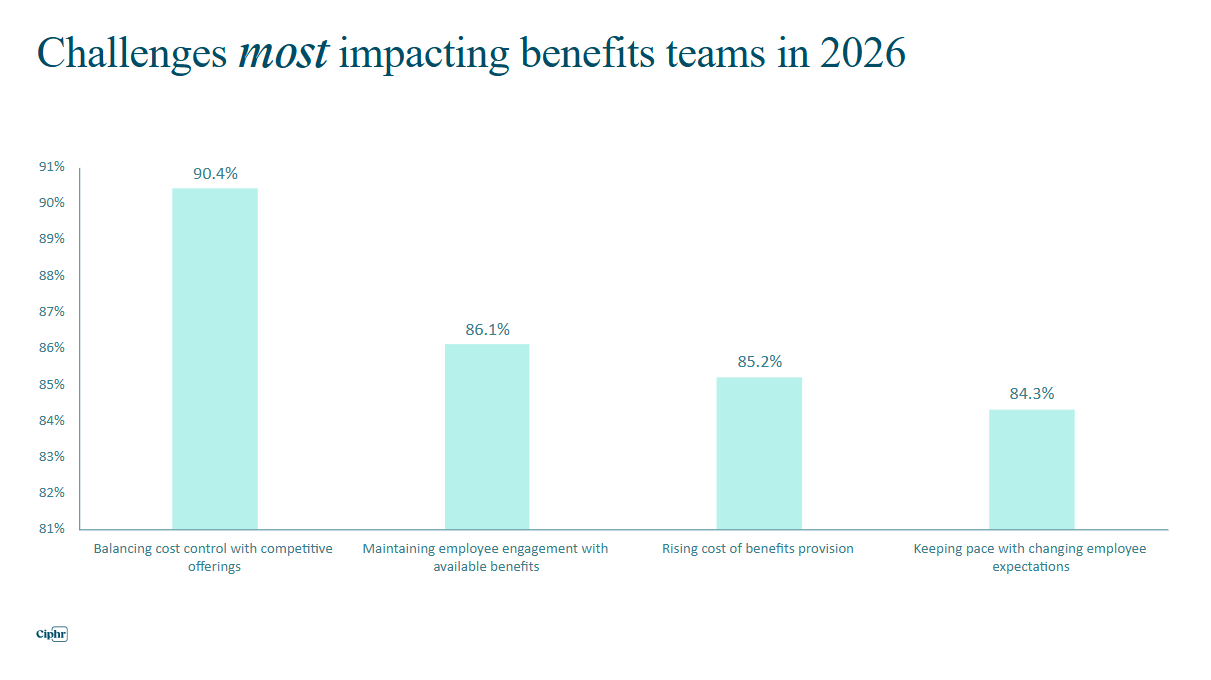
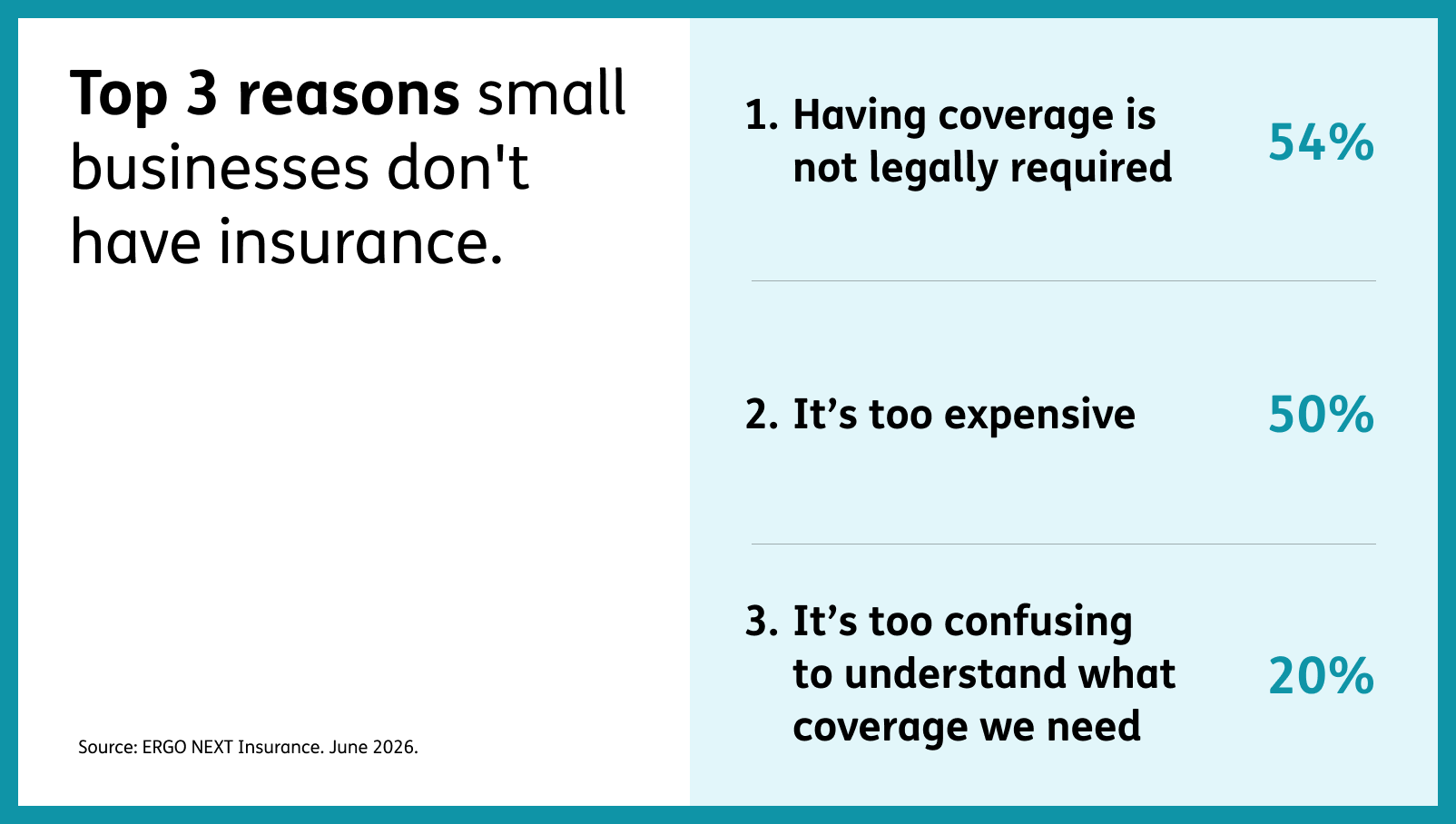
Little service health insurance strategies are typically priced in methods that overlook workers' health and physical fitness health and wellbeing. There are times when a health insurance plan does not fill the needs of employees or the little company owners.
Unlike other insurance providers, we assist you develop an offering special to your business. That's why countless small companies with 2-500 staff members select the Self-Funded Program through Nationwide. Together with great rates, Nationwide's group health insurance for little service workers can include great benefits: Extra benefits might include stop loss insurance coverage to secure your business' assets, and the capacity for a refund in the years when claims are low 11 Refund goes through any suitable Terminal Liability Coverage fee.
Enhancing Company Staff Benefits and Keeping Talent
The Self-Funded Program through Nationwide provides tools for companies owning little to midsized companies to establish a self-funded health benefit prepare for their employees. The benefit plan is established by the company and is not an insurance product. Stop loss insurance policies are underwritten by Nationwide Life and Benefits Insurer, Columbus OH, in AK, AR, AZ, CT, IL, MA, PA, TX, WI; Integon National Insurer in NY; and National Health Insurance Coverage Company in CO, WA and all other states where offered.
Independent Insurance AgencyCompare the top small organization health insurance coverage service providers in 2026. Side-by-side plans, genuine cost information, and the right option for 1 to 50 workers.
We cover the five biggest standard providers, what each one expenses, and the modern options that small services are utilizing to cut expenses without cutting benefits. June 2026 For standard group protection, UnitedHealthcare and Blue Cross Blue Shield lead on network size. Cigna is the top pick for remote or multi-state teams.

Latest Posts
Securing Your Business and Group Benefit Solutions
How Local Firms Require Quality Group Coverage
Comprehensive Commercial Insurance and Employee Benefit Advice