All Categories
Featured


Reliable Staff Assistance Program Resource Guidance
Table of Contents
Employers are embracing openness tools that enable employees to compare rates and service providers, empowering smarter health care choices. Numerous organizations are likewise broadening value-based care and virtual-first health care alternatives to enhance results while controlling expenses.
The hybrid workforce is here to stay., virtual cooperation tools, and equitable work environment policies, ensuring every worker feels supported, connected, and valued. Our ingenious innovation simplifies benefits administration, links data across platforms, and supplies AI-powered insights that assist employers develop smarter, more customized benefits methods.
The information in this post is for educational purposes just. It is not legal, tax or financial investment advice. For legal, tax or financial investment advice, you must consult your own legal counsel, tax and financial investment advisers.
Maximizing Employee Retention via Robust Benefits
Budgets are tighter in 2026. Staff members are louder about what they expect.
Business Insurance San DiegoThis guide breaks down 30 practical benefit ideas throughout health, monetary, flexibility, and recognition classifications, so you can construct a package that fits your labor force instead of copying a generic template. We'll likewise cover how to pick the right mix and where to get skilled guidance, including insight from Muneris Advantages, a staff member benefits advisor serving companies across Virginia and West Virginia.
In WTW's 2024 International Benefits Mindsets Study, employees ranked pay, job security, and health advantages as their top 3 factors for staying in or accepting a task, with 36% mentioning health advantages particularly. Offering advantages isn't enough. MetLife's 2024 research study discovered 65% of staff members desire advantage interaction throughout the year, not simply during open registration, and that number climbs up to 68% amongst Gen Z workers.
According to the Bureau of Labor Statistics, benefits made up in March 2026, balancing $14.01 per hour per worker. Health-related protection is still the foundation of any benefits package, however expectations have moved previous medical-only strategies.
Maximizing Team Loyalty through Quality Benefits
Let employees put funds toward physical fitness, nutrition, or mindfulness rather of a single gym network. Numerous employers still bundle basic life and special needs security so households have earnings support after a severe health problem, injury, or death.
An inexpensive voluntary add-on that resonates with younger and pet-owning workers. Economical group rates with high viewed value as cyber and fraud risks grow. Payroll-deduction access to assist with wills, family law, and housing problems. Tax-advantaged dollars for qualified medical expenses. SHRM's 2025 survey found 61% of companies now provide an HSA.
Developing a well balanced mix of medical, pharmacy, and related group benefits is where numerous companies get stuck. Muneris Benefits helps Virginia and West Virginia companies design and handle group health, dental, vision, and HSA/HRA-style offeringsusing access to significant Virginia carriers and strategy styles that weigh protection versus expense. Monetary stress is one of the greatest diversions staff members bring into the workday.
Still one of the most valued non-medical benefits, particularly when matched with employee education on how to use it. Budgeting tools, debt therapy, and emergency situation cost savings assistance. SHRM discovered 33% of companies now use non-retirement financial recommendations online. Appeals to younger employees even at modest contribution levels. SHRM reported adoption rose to about 9% of companies in 2024, up from 7% in 2022.
Business Insurance San Diego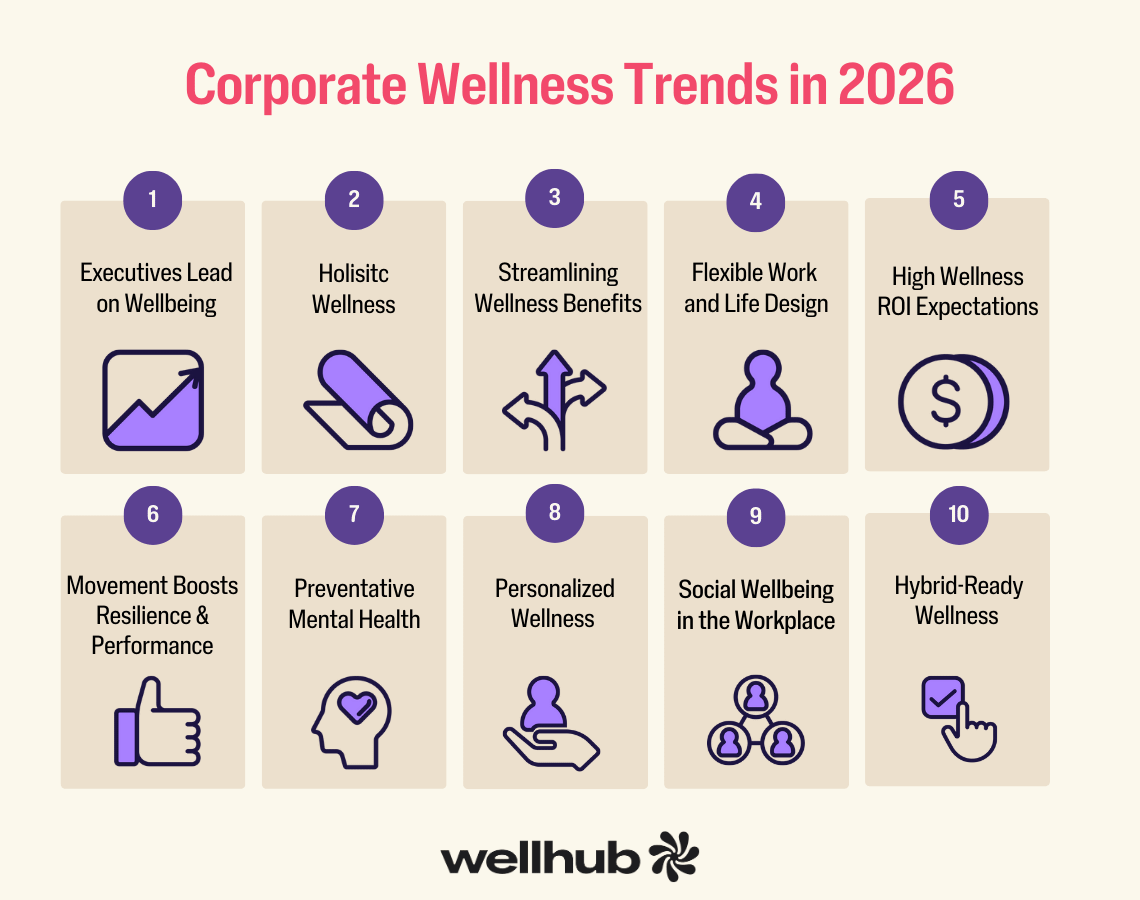
Best Dental and Vision Benefits for Staff
Particularly relevant for startups and growth-stage companies building an ownership culture. Combining staff members with mentors supports retention and keeps institutional understanding inside the business. Appeals to staff members preparing ahead for their kids' education.
Those alternatives fit into a benefits package built around the workforce and the budget. SHRM found 63% of employers now use hybrid work. Separating vacation, sick, and psychological health time creates clarity for employees planning their year.

Latest Posts

Understanding 2026 Small Business Benefit Options

Estimating the Upcoming Corporate Wellness Initiative Pricing
Integrating Payroll-Based Insurance Systems for Staff