All Categories
Featured

Navigating 2026 Group Health Options
Table of Contents
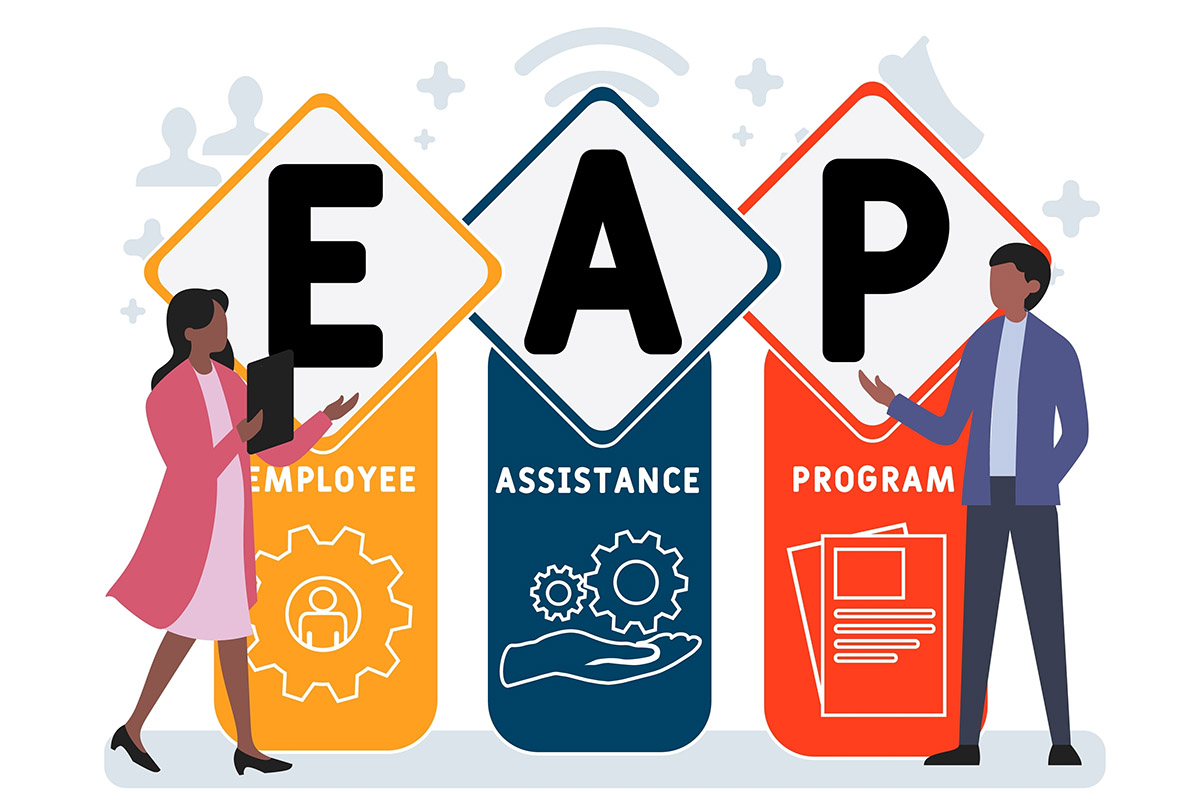
Some providers charge per employee, while others offer bundled pricing. EAP services usually include mental health counseling, tension and burnout support, relationship assistance, crisis intervention, and work environment performance assistance.
eHealth vs Harmony SoCalEmployees can log into the platform and begin using features like daily check-ins, assisted reflection, and AI mental health coaching without scheduling sessions. Employers looking for modern-day employee assistance program suppliers can choose Yuna for a scalable and easy-to-implement service.
Employee Assistance Programs are private workplace-based mental health support services that offer counseling, psychological resources, and healing interventions to California's labor force of over 19 million people and their households through employer-sponsored efforts (California Employment Development Dept., 2024). These workplace mental health programs integrate directly with California's comprehensive healthcare facilities, where more than 90% of locals have access to usual healthcare sources such as individual doctors or clinics, creating a seamless support network for employee health and wellbeing (California Health Interview Study, 2021).
Essential Payroll Insurance Options to Protect Companies
Census Bureau, 2023). California's worker assistance efforts operate as main avoidance tools that lower work environment tension, avoid psychological health crises, and provide early intervention services before conditions require extensive medical treatment, supporting the state's 18.4 million employed employees throughout varied markets from technology to farming (California Work Advancement Dept., 2024).
These workplace-based assistance initiatives function as structured worker support systems that link workers with licensed mental health experts, compound abuse specialists, and family therapy resources at no charge to participants. California employers carry out these private programs to address personal obstacles impacting workplace efficiency, with over 90% of Californians having access to health care resources consisting of employer-sponsored mental wellness services (California Health Interview Survey, 2021).
These employer-funded support resources attend to the state's significant mental health challenges, especially pertinent given California's 14% adult asthma frequency and stress-related health conditions that affect worker performance (California Health Interview Study, 2022). Program individuals gain access to personal telephone consultations, in person counseling visits, and online mental health resources created to assist employees in handling both personal and expert difficulties impacting their office efficiency.
eHealth vs Harmony SoCalEmployees access private support services covering psychological health, compound abuse, monetary counseling, and family concerns within California's 18.4 million-person workforce (California Employment Development Dept., 2024). These workplace assistance programs operate as intermediary services linking staff members to California's health care network, which includes over 150,000 active physicians and 450,000 registered nurses (California Board of Registered Nursing, 2023).
EAP planners keep personal intake processes where workers get initial assessments and referrals to external mental health companies within 24-48 hours of initial contact. California's varied labor force, with over 40% speaking languages other than English in the house (U.S. Census Bureau, 2023), receives multilingual assistance services that connect to the state's substantial healthcare infrastructure spanning urban and rural communities.
How to Lower Workplace Wellness Program Costs
These worker support programs deliver immediate psychological assistance through 24/7 crisis hotlines and offer up to 6-8 sessions per concern each year at no cost to employees. EAP mental health interventions attend to workplace tension, household disputes, drug abuse issues, and trauma-related psychological distress within California's varied workforce of over 39 million residents (California Department of Financing, 2025).
Household dispute resolution services supply mediation support for domestic concerns, while work environment trauma interventions help workers process vital incidents and occupational tension. These programs integrate with California's healthcare system where over one-third of homeowners are enrolled in Medi-Cal (California Dept. of Healthcare Providers, 2024). EAP therapists coordinate recommendations to long-lasting psychological health suppliers when staff members require prolonged psychological treatment beyond the short-term intervention model.
The state's diverse labor force benefits from culturally skilled EAP services, attending to the needs of 27% foreign-born citizens who represent over 10 million Californians (U.S.
Comparing Various Dental Insurance Packages
EAP access includes multilingual support servicesAssistance reflecting CaliforniaShowing linguistic diversity where Variety% of residents speak citizens languages at home (U.S. Census Bureau, 2023). Full-time workers get detailed EAP advantages consisting of psychological health therapy, financial assessment, and crisis intervention services.

Latest Posts

Understanding 2026 Small Business Benefit Options

Estimating the Upcoming Corporate Wellness Initiative Pricing
Integrating Payroll-Based Insurance Systems for Staff